
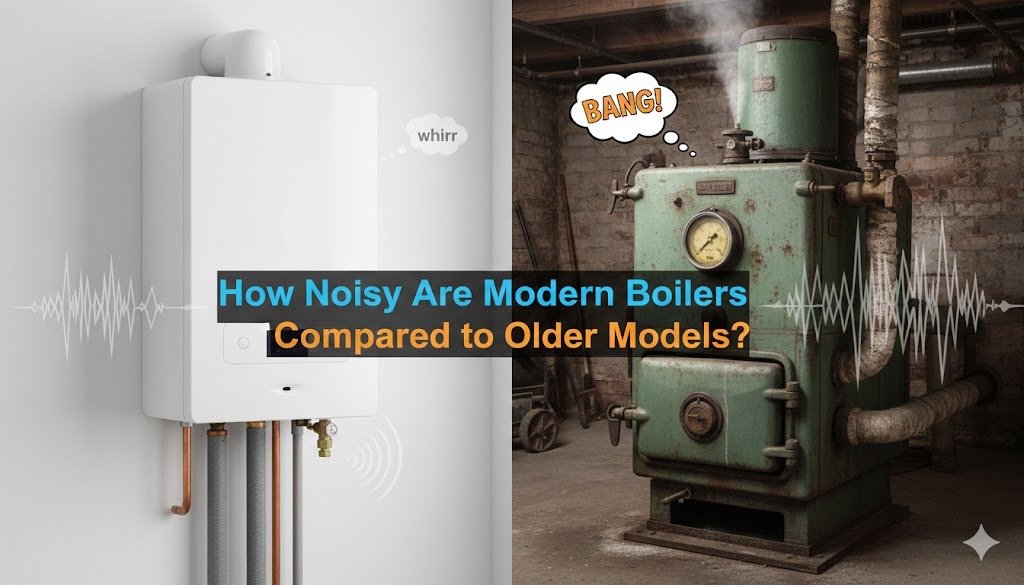
How Noisy Are Modern Boilers Compared to Older Models?
Boilers are the key part of almost every household in the United Kingdom. They provide households with the required heat and hot water through the winter season. However, if you have ever lived with an old boiler, you might still remember the annoying clanking and banging sounds, with not-to-be-missed hissing sounds.
Modern boilers, on the contrary, are far quieter, more efficient and incomparably less intrusive. But upgrading to the new boiler can cost more than £3,000, the free boiler upgrade scheme can put this burden on the shoulders of energy companies. Low income families can get rid of noisy old boilers without spending even a penny.
This post is going to discuss how noisy modern boilers are compared to older models, what factors cause and influence noise levels, as well as tips for choosing a quieter boiler.
Why Were Older Boilers So Noisy?
Older boilers were often noisy for several reasons, including outdated technology and wear and tear.
- Outdated Technology: Older boilers relied on less advanced components, which generated more noise during operation.
- Mechanical Parts: Big, heavy parts such as fans and pumps produced vibrations and loud operational sounds.
- Sediment Build-Up: Limescale and debris collected in the system over time, causing kettling and banging noises.
- Inefficient Design: Many old models did not have soundproofing or any insulation, and the operational noise was amplified.
How Quiet Are Modern Boilers?
Modern boilers are much quieter compared to their predecessors in terms of technological and design advancement. Most run at a decibel level similar to that of a refrigerator or quiet conversation, ranging between 36 to 45 dB.
Key Features of New Condensing Boilers:
- Improved Components: High-quality fans, pumps, and burners ensure smoother operation with minimal noise.
- Compact Design: Smaller, streamlined designs reduce vibrations and mechanical noise.
- Soundproofing: Many modern boilers come with built-in insulation to dampen operational sounds.
- Advanced Controls: Modern thermostats and modulating technology optimize performance, reducing noise during operation.
Factors That Influence Boiler Noise Levels
Even with modern boilers, several factors can influence how noisy your boiler might be:
1. Boiler Type
- Combi Boilers: Typically quieter as they don’t require a separate water tank.
- System Boilers: Slightly noisier than combi boilers but quieter than traditional heat-only models.
- Heat-Only Boilers: Often louder due to the use of external tanks and additional components.
2. Your Location
- Boilers installed in kitchens or living areas might seem noisier than those in utility rooms or garages.
3. Installation Quality
- Poor installation can lead to vibrations and loose components, increasing noise levels.
4. Maintenance
- Regular servicing ensures optimal performance and prevents issues like kettling, which can cause noise.
Common Sounds Modern Boilers Might Make
Even modern boilers can produce occasional sounds, but these are usually less disruptive.
- Humming: A low hum from the pump or fan is normal during operation.
- Clicking: The sound of the ignition system starting up is typical for gas boilers.
- Whooshing: A soft whoosh might occur as water circulates through the system.
- Gurgling: Air bubbles in the system can cause a gurgling noise, often fixed by bleeding the radiators.
Benefits of Quieter Modern Boilers
Switching to a modern boiler offers numerous advantages beyond just reducing noise levels:
- Improved Comfort: Quieter operation ensures a more peaceful home environment.
- Energy Efficiency: Modern boilers are more efficient, saving you money on energy bills.
- Longer Lifespan: Durable components and better design mean modern boilers last longer with less wear.
- Environmental Benefits: Reduced emissions contribute to a greener planet.
Tips for Choosing a Quiet Boiler
When selecting a new boiler, keep these tips in mind to ensure you choose a quieter model:
- Look for Quiet Mark Certification
- Boilers with a Quiet Mark certification have been tested for low noise levels.
- Check Decibel Ratings
- Opt for a boiler with a noise rating of 40 dB or lower for the quietest operation.
- Choose the Right Type
- A combi boiler is often the quietest option for most homes.
- Hire a Professional Installer
- Proper installation is crucial to minimize noise and ensure optimal performance.
- Consider Placement
- Install the boiler in a location where operational sounds won’t disturb your daily activities.
Maintaining a Quiet Boiler
Even the quietest boilers require regular maintenance to ensure they stay that way.
- Annual Servicing: Schedule yearly checks to keep components in top condition.
- Check for Air in the System: Bleed radiators to remove trapped air that can cause gurgling.
- Monitor for Unusual Noises: Address new or unexpected sounds promptly to prevent bigger issues.
Conclusion
Modern boilers are obviously much quieter compared to their predecessors, as their technology and design are vastly improved. The selection of a modern boiler enables you to continue enjoying a quieter home environment along with reducing energy bills to the lowest extent, bettering overall performance.
While upgrading your boiler is a great step, many homeowners are also exploring renewable options; for instance, you might be eligible for a Grant for boiler upgrade scheme which can significantly offset the cost of transitioning to even greener technology. However, in case noise is a concern, check decibel ratings, choose professional installation, and schedule regular maintenance. A quieter boiler not only improves the comfort provided by your home but also plays a more important role in arriving at a more efficient and sustainable tomorrow.